We are feeding your puppy Nulo. There are lots of puppy food options, so you should definitely choose a food that you are comfortable with. Your puppy will be eating puppy food for the first year of life. Make sure to check the bag for feeding amounts. For the first month, you will feed your puppy 3 times a day, so divide the total amount of food per day into 3 feedings. You will transition to feeding your puppy just twice a day after they turn 6-8 months. There are two schools of thought on feeding dogs. Some people prefer free-feeding their dogs, and some feed on a strict schedule. It depends on your preference and the temperament of your puppy. The important thing is to make sure your puppy isn’t eating too much or too little. Puppies that eat too much and gain weight too quickly are more susceptible to health issues.
If you want to adhere to a strict schedule, when you feed your puppy, put the food down and leave it down for 15 minutes. After 15 minutes, remove the food bowl and any uneaten food. This will teach your puppy to focus on eating at mealtimes. Always keep a bowl of water available for your puppy.
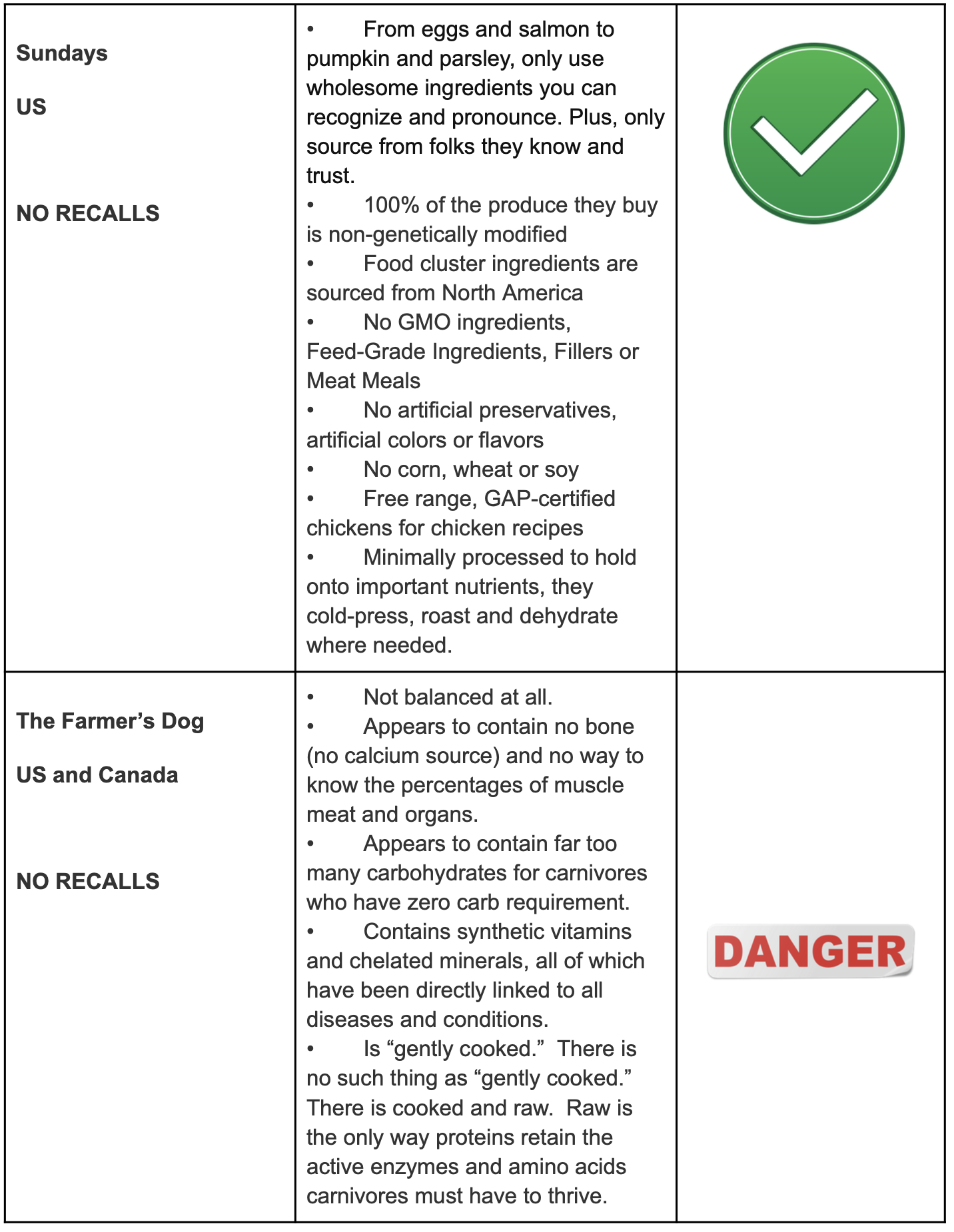
We prefer the raw or freshly cooked food diet and when available serve SUNDAYS FOR DOGS or Get Joy long term for our personal puppies and dogs. They create and serve a complete and balanced. Diet is the mostimportant choice you make about your dog’s health, and kibble doesn’t cut it. Dogs are biologically primed to process raw and human grade meat, so they’re able to absorb nutrients more easily than those found in kibble.
The Get Joy Food is human-grade food topped with supplements that target your chosen wellness goal. Flash frozen and delivered to your doorstep for easy feeding.
Dogs love the crunch!
To slow the puppy down when eating, here are some suggestions:
● Spread the dry food on a cookie sheet.
● Purchase a Slow Feeder Bowl
● With the dry food already in the bowl, add enough water so that the food floats. Add toys (Nylabones, Kong, or any other durable approved toy) in the bowl so the puppy has to eat around them. Do not add anything to the food to entice the puppy to eat. Finicky eaters should have the food removed after 10 minutes; they must learn to eat when their food is offered! Contact your puppy advisor or area coordinator if poor eating habits continue.
Do not add anything to the fold to entice the puppy to eat. Finicky eaters should have the food removed after 10 minutes; they must learn to eat when their food is offered!
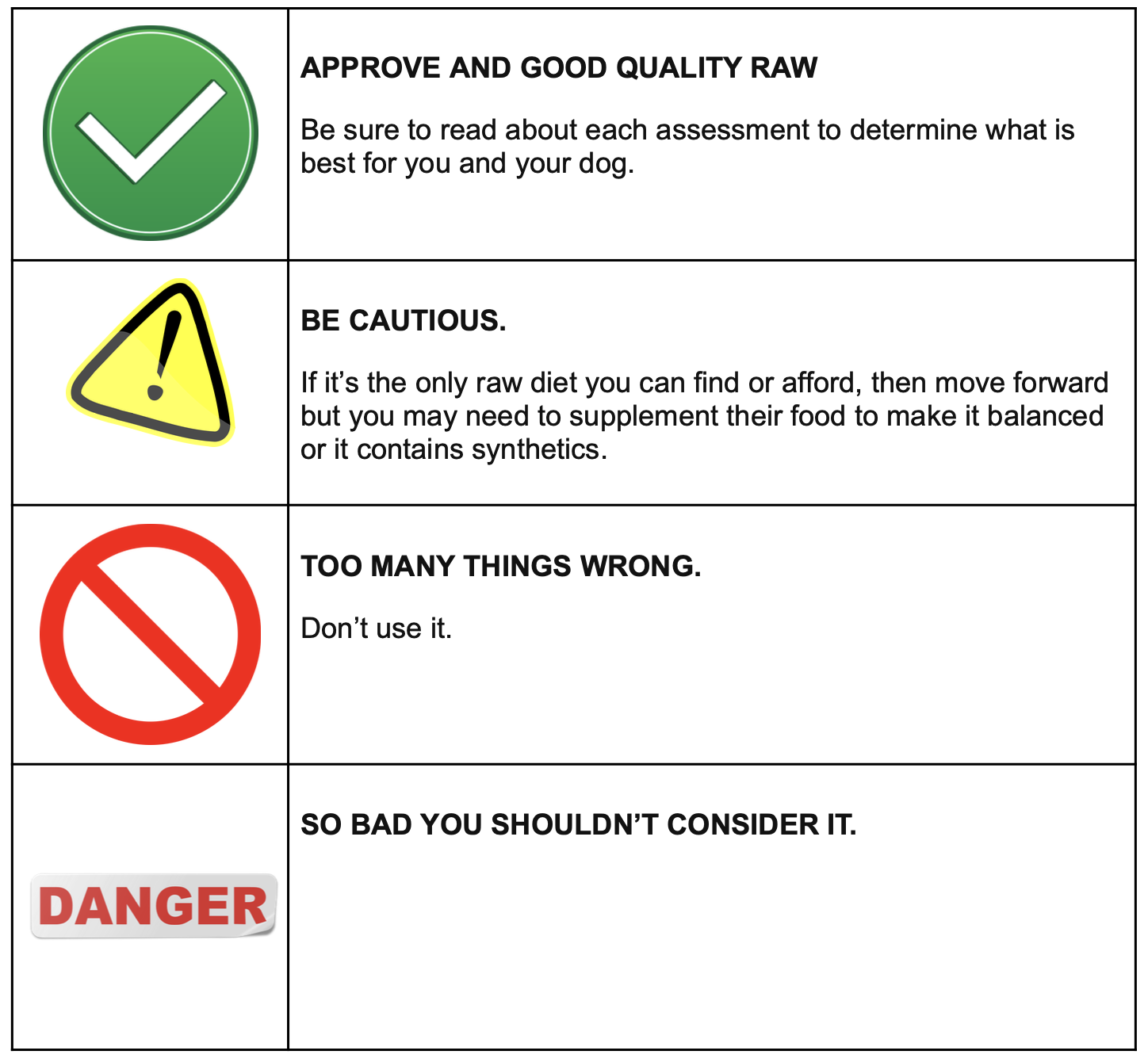
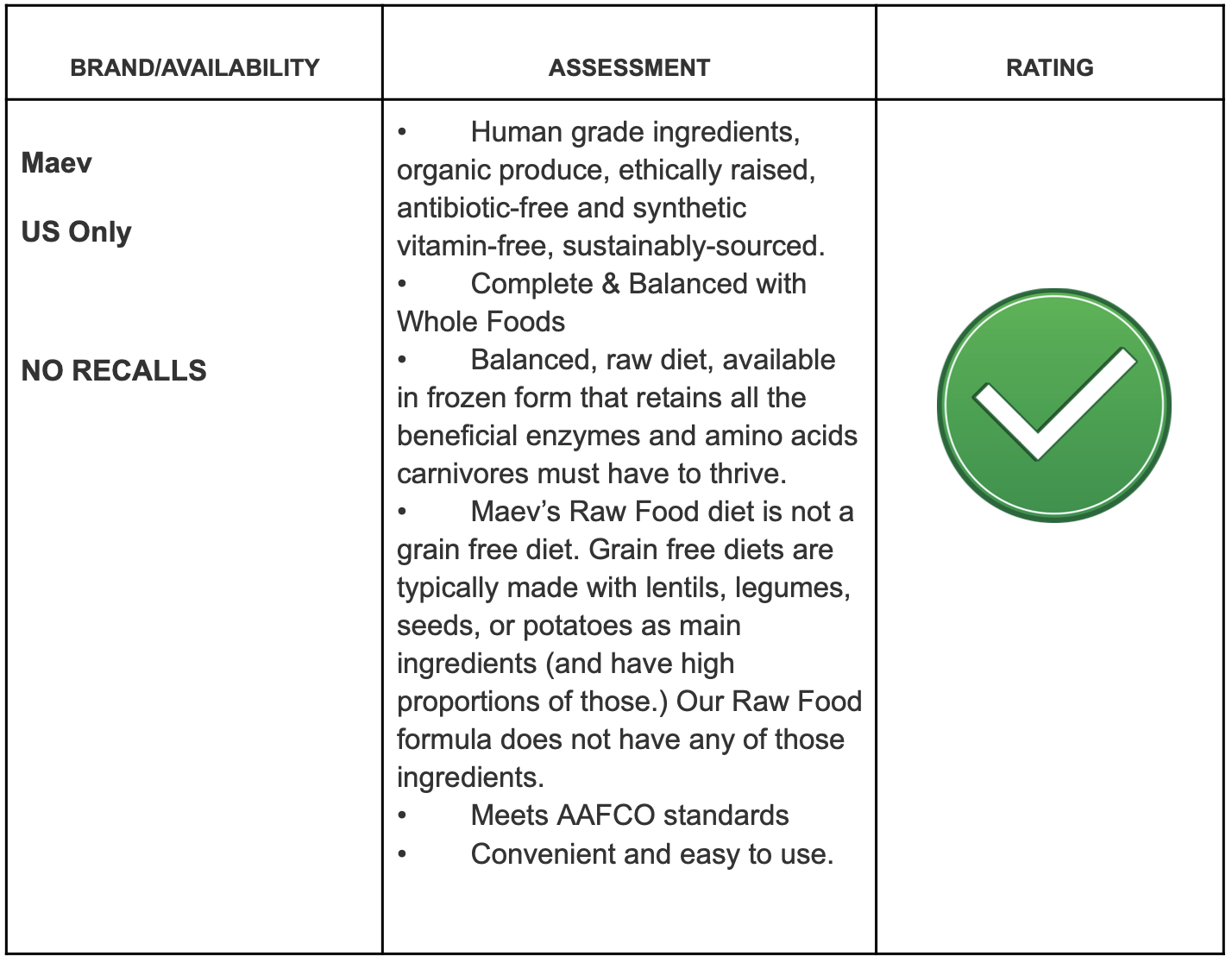
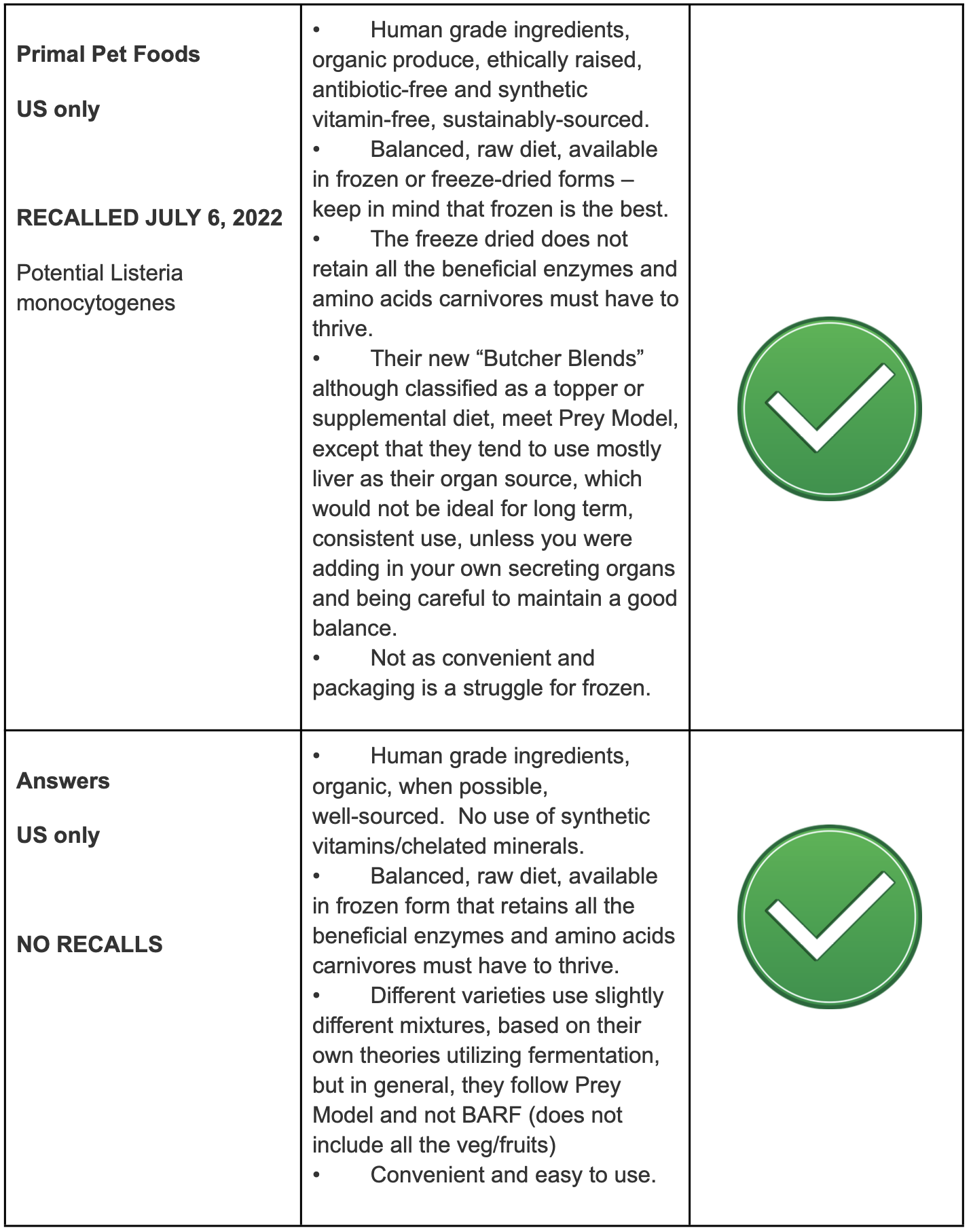
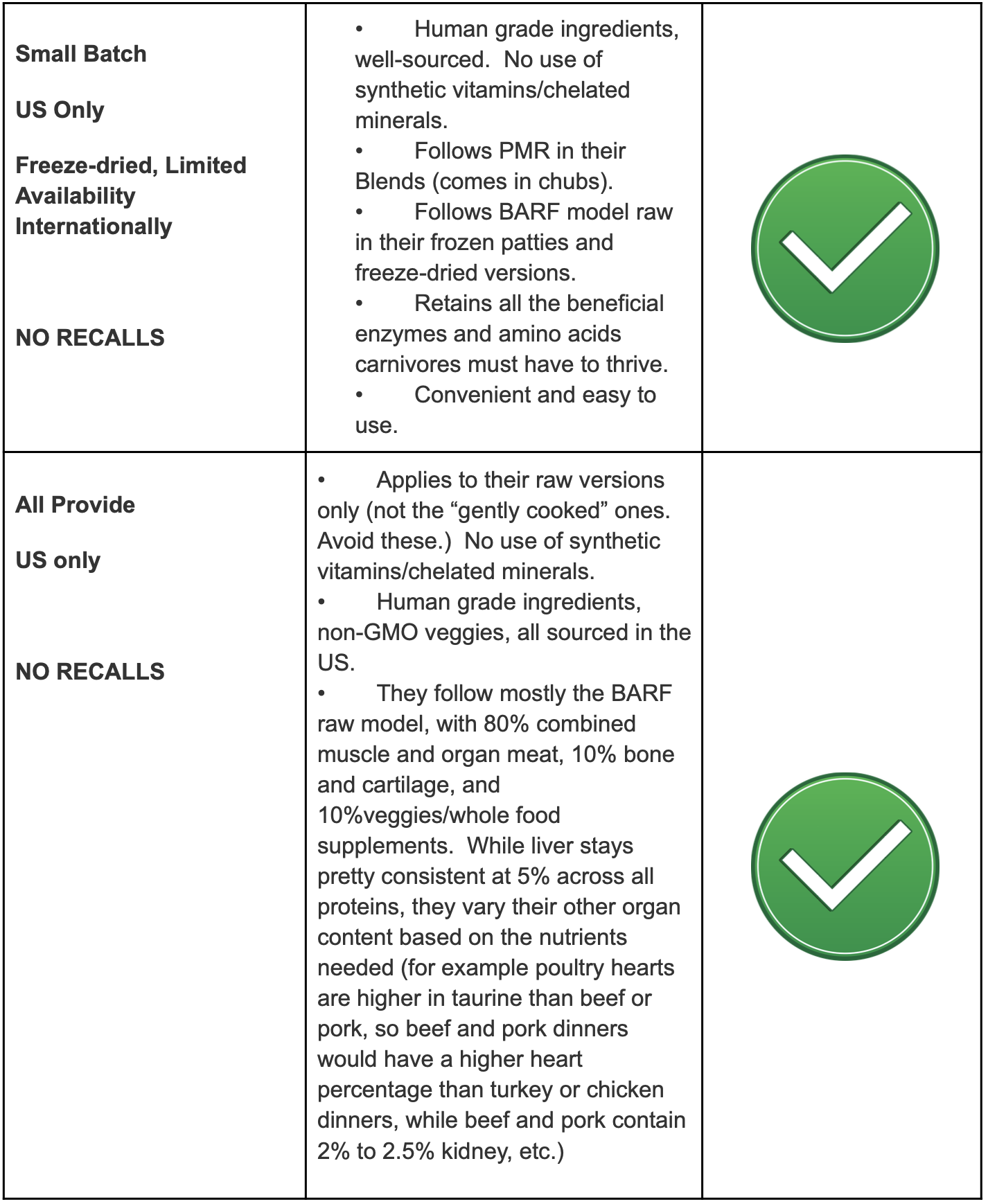
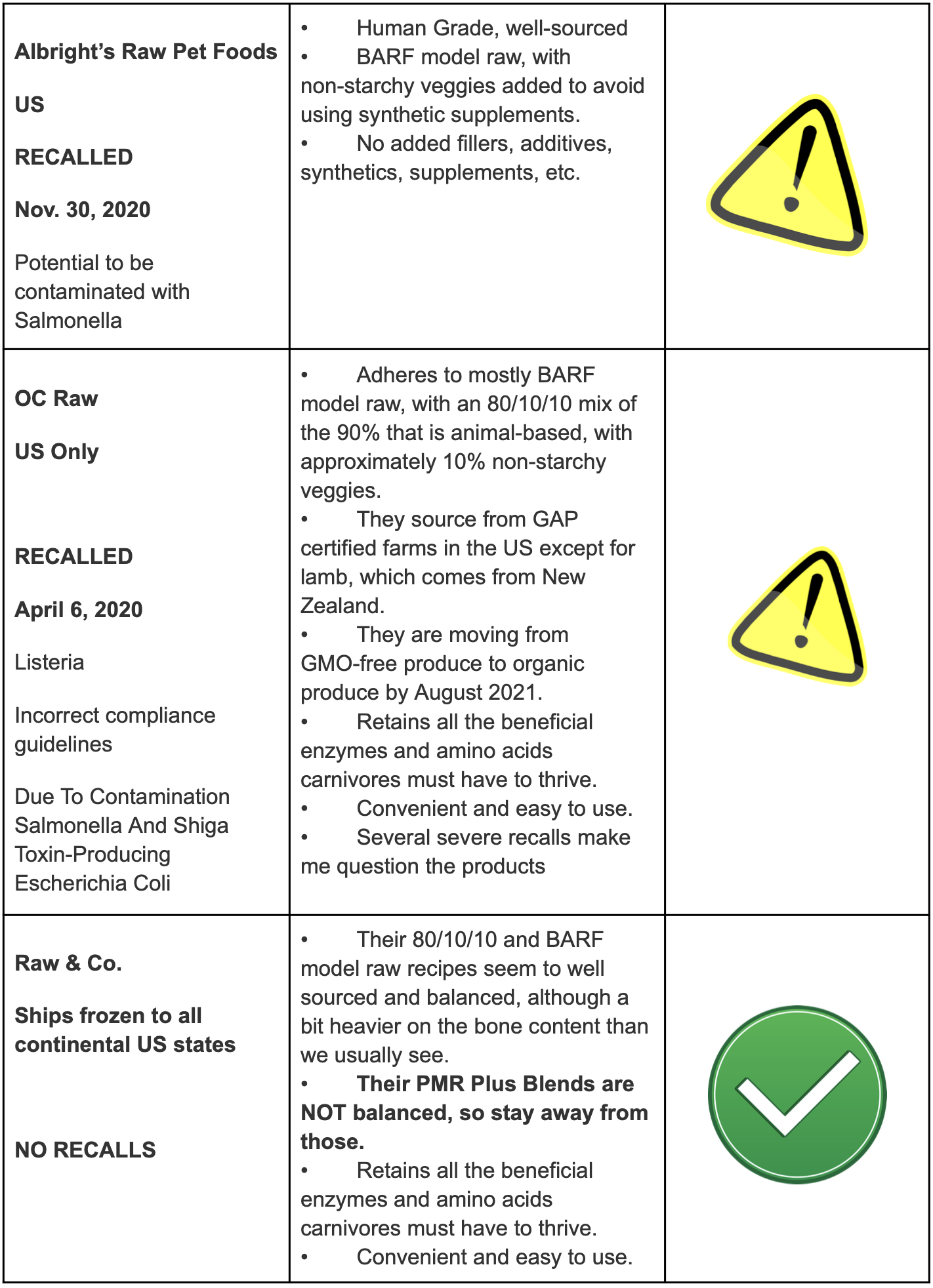
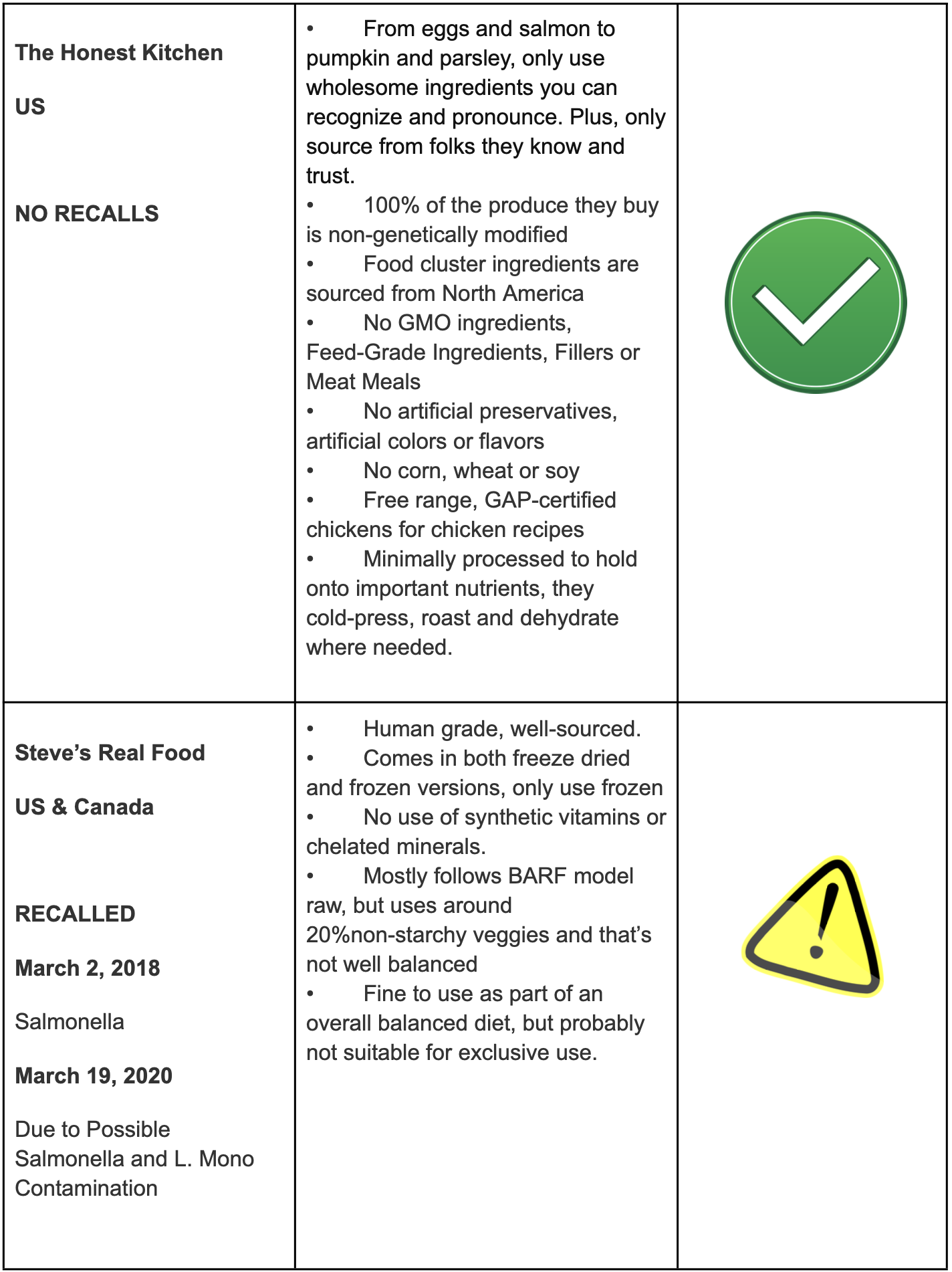
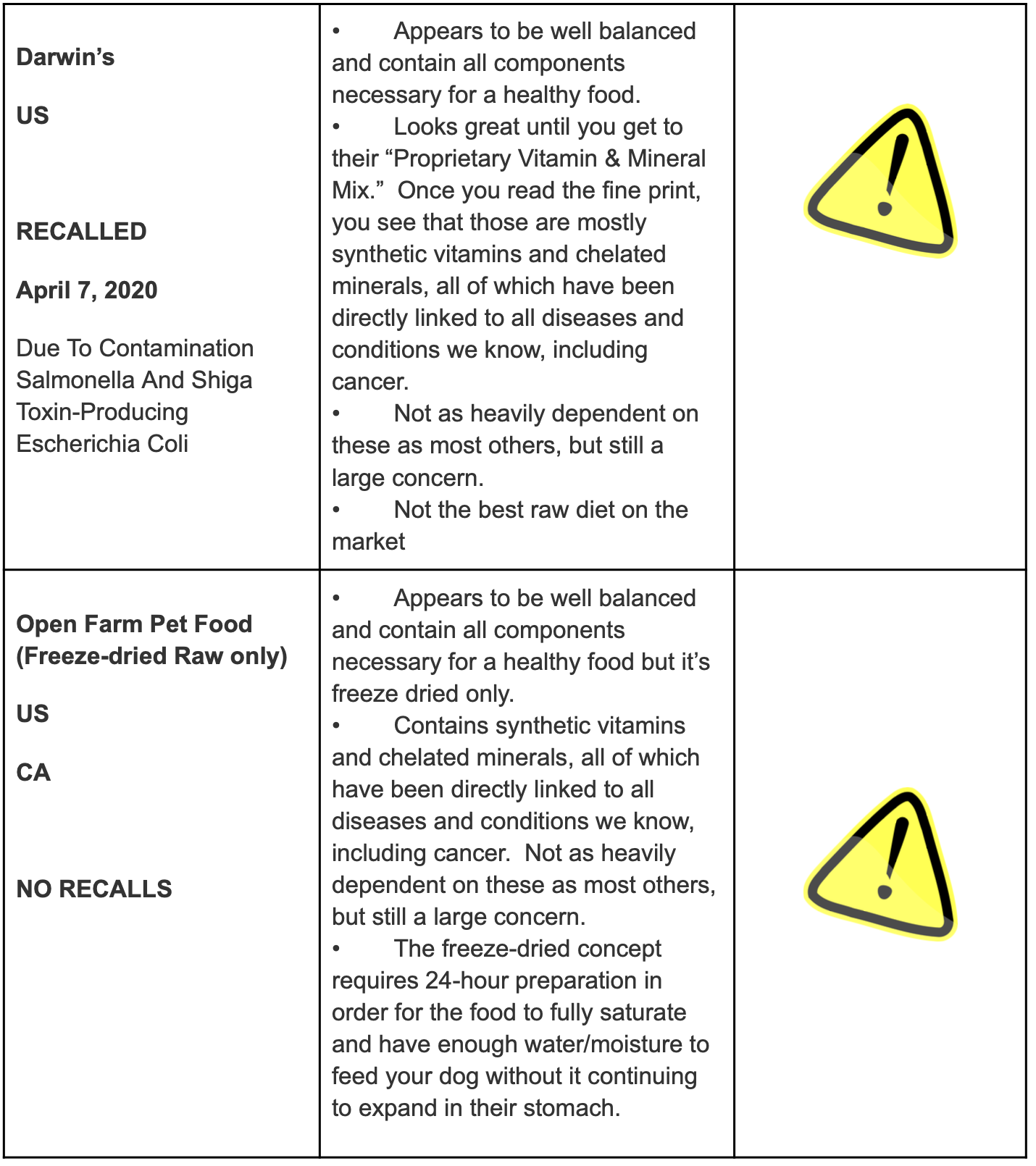
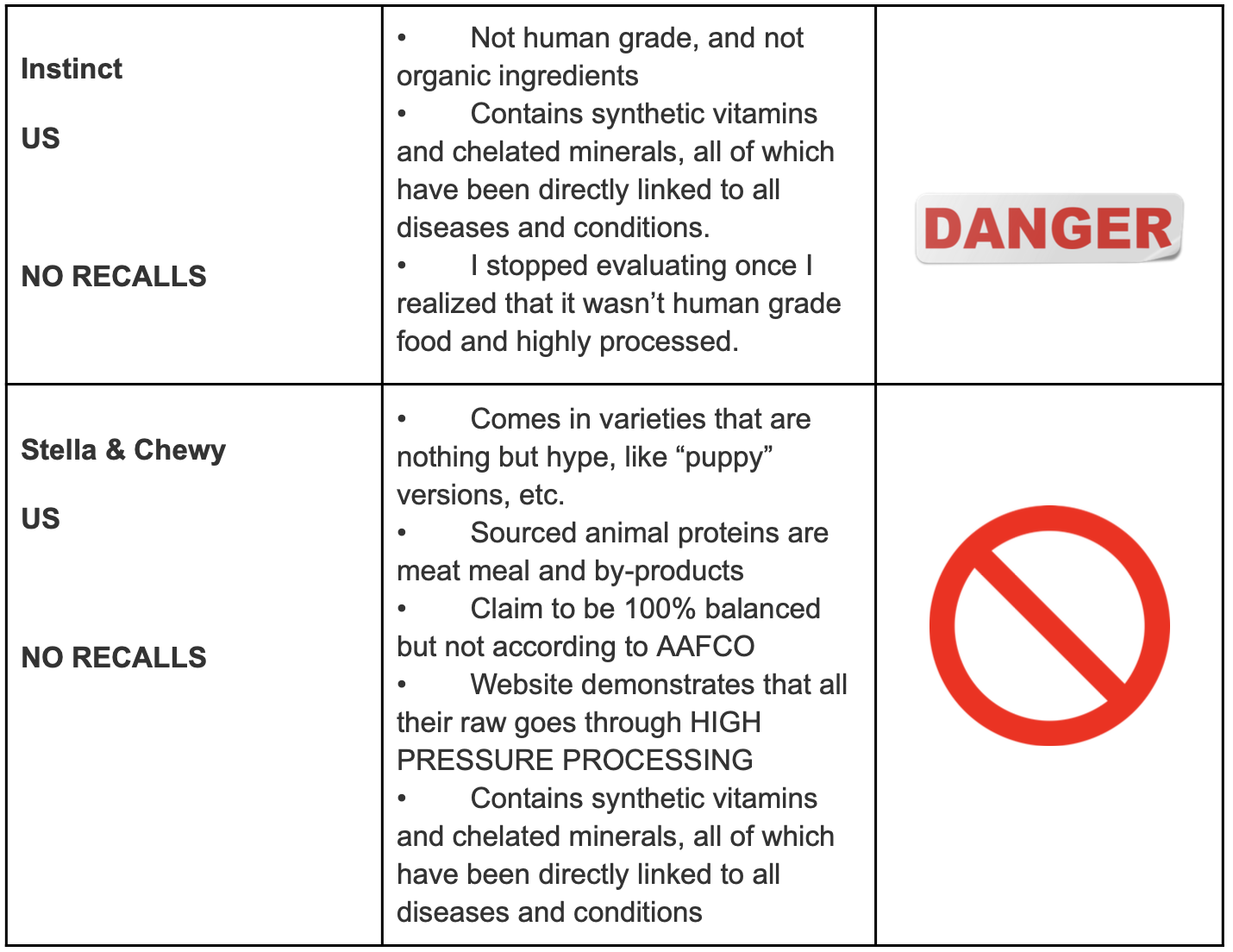
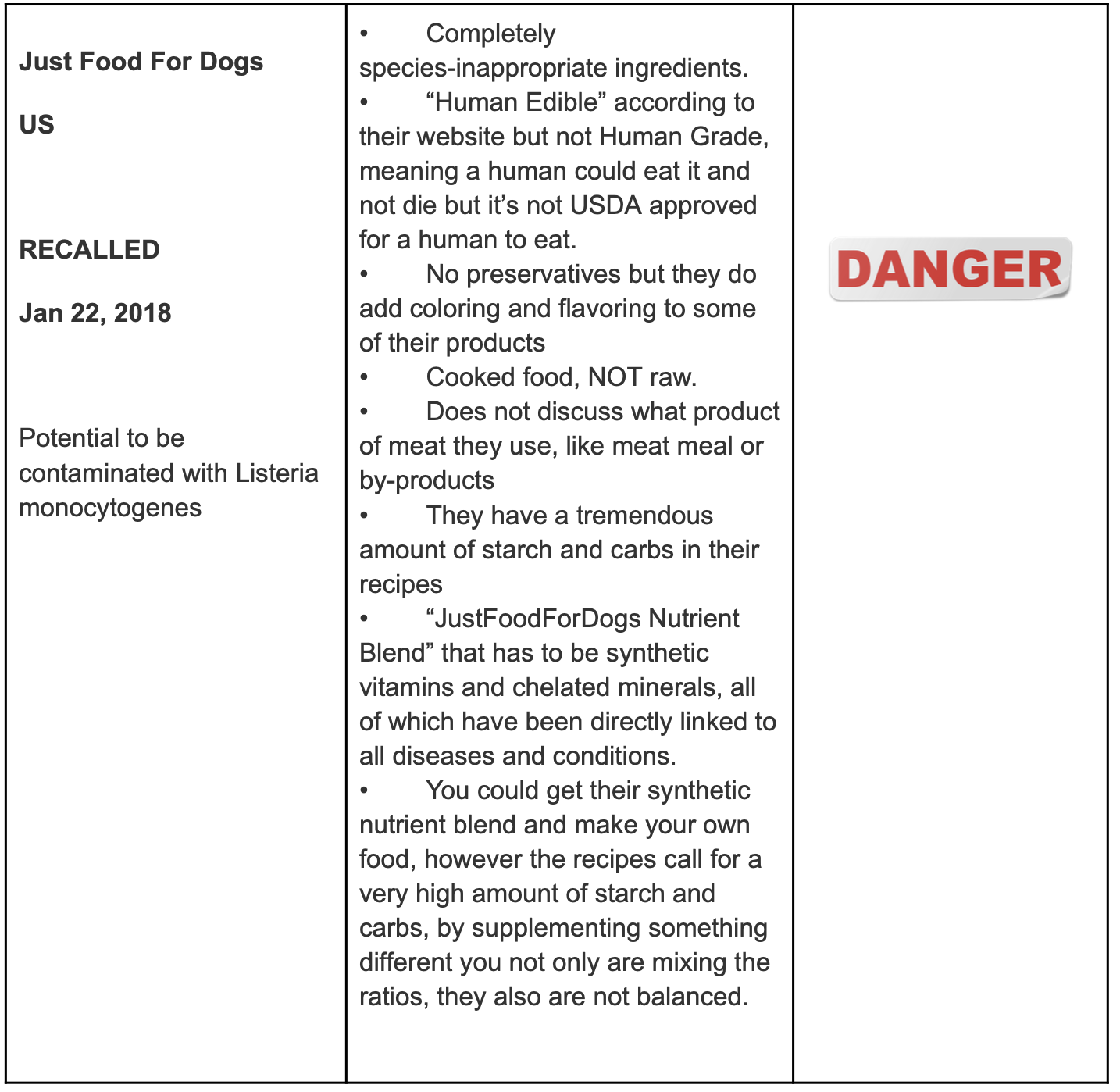
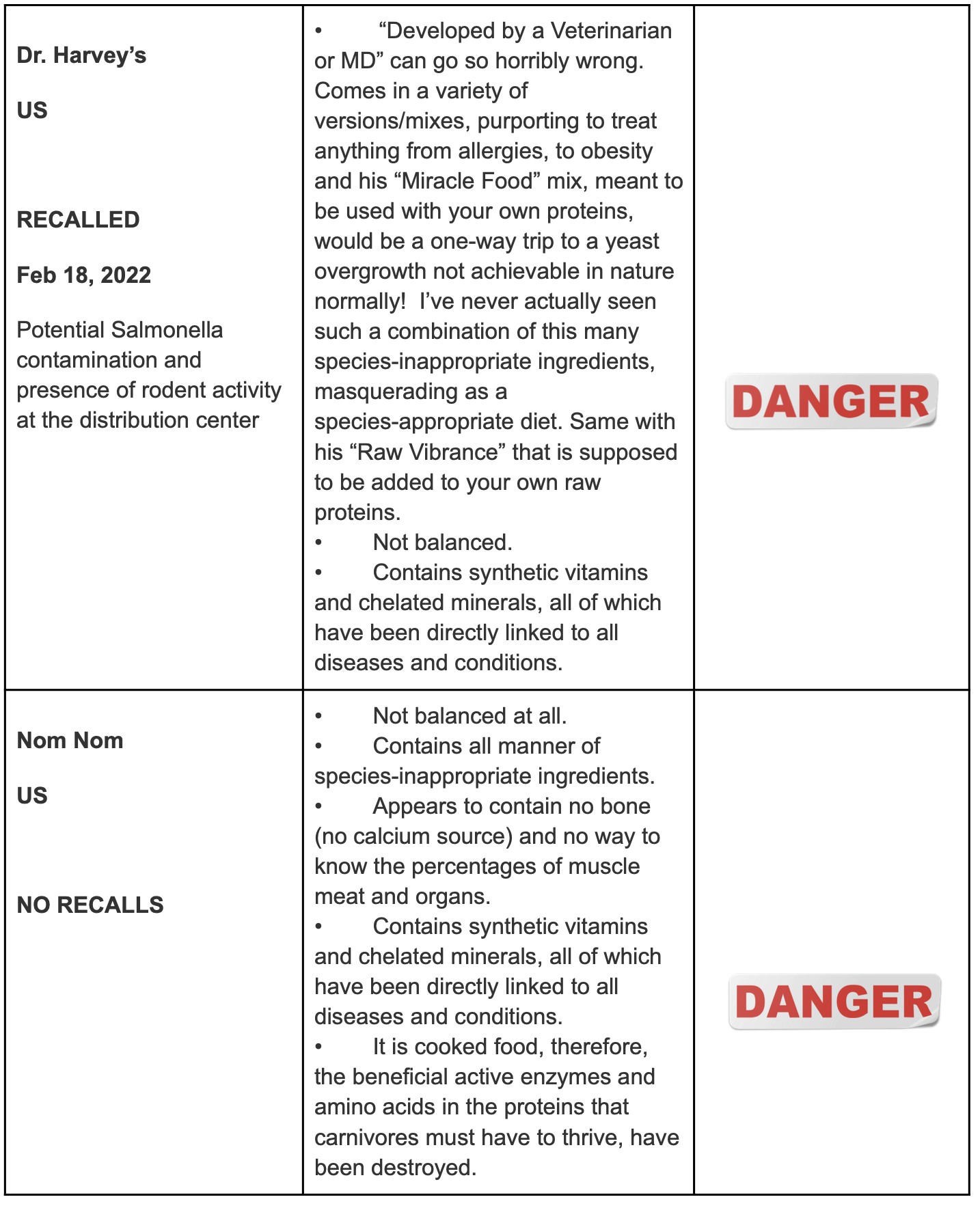
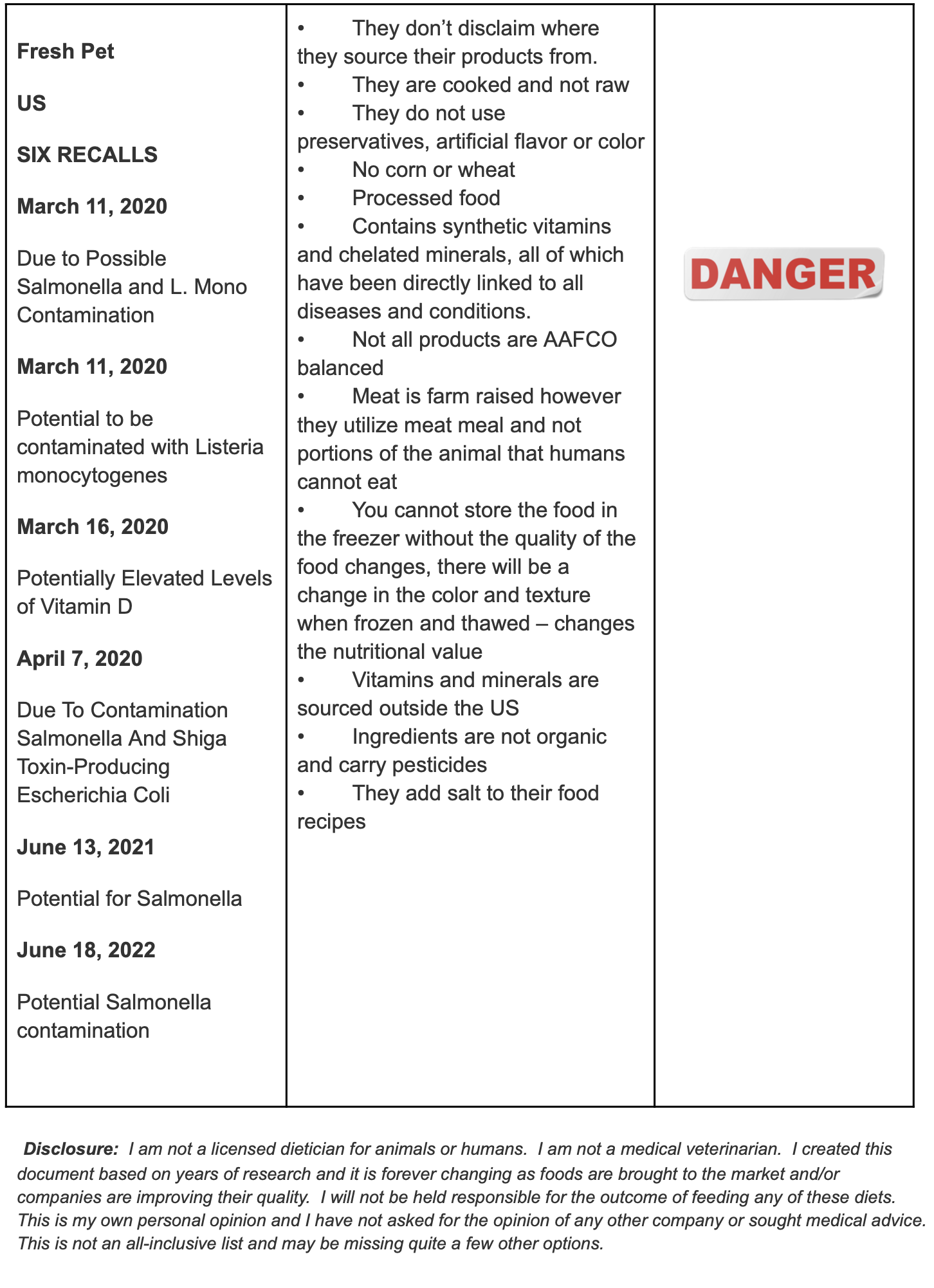
Assessment of Raw Foods and Other Human-Grade Pet Foods
The following brands of pet foods are the subject of many questions from pet parents, as many of these are considered or believed to be raw, or at least healthier than kibble, and therefore considered by some to be reasonable substitutions for the few we recommend to provide your pet with the healthiest, real food, raw food, and species-appropriate diet. As you can see, very few commercial foods meet the stringent requirements we maintain for balance, safety, human-grade sourcing and no synthetics. This list includes only brands available for broad distribution, i.e. across the US, or the US and CA and beyond.
What is Raw Food Diet?
Like the name suggests, a raw food diet is one in which your dog eats only raw, unprocessed foods, feeding them just as they were designed to eat. It’s one of the most clean, natural ways of eating that is high in protein and extremely nutrient dense — no processing, no fillers, no preservatives. A raw food diet focuses on lean protein, is moderate in fat and has minimal amounts of carbohydrates mostly from fruits and vegetables.
Is a Raw Food diet the same thing as a Grain Free Diet?
The core difference between grain free (which is a type of kibble) and raw (which is a different kind of diet) is the macronutrient profile and the protein content. Grain free diets are generally kibbles (highly processed, high starch content, and low quality ingredients) that use ingredients like pea flour or lentil flour instead of standard grains like barley or wheat. Raw, on the other hand, involves few to no starches/grains, and instead is high in protein and fat and completely unprocessed.
What are the benefits of a Raw Food Diet?
Dogs are biologically primed to process raw meat, so they’re able to absorb raw nutrients more easily than those found in cooked food. A balanced and complete raw food diet is the healthiest and most natural way to feed our dogs. A growing body of scientific evidence points to the health benefits of raw food and to the dangers of commercial pet food manufacturing (high temps, low ingredient quality standards, little to no traceability).
We’ve seen first-hand the well-researched benefits of raw, which include:
● fresher breath
● ideal weight maintenance
● stronger immune system
● smaller and less odorous bathroom breaks
● decreased dehydration
● relief from misdiagnosed allergies
● relief from misdiagnosed allergies
● softer and shinier fur
● less tartar build-up on teeth
● reduced itching and scratching
● stabilized energy levels
DEFINITIONS
BARF: Stands for “Biologically Appropriate Raw Food.” 70-75% muscle meat, 10% organs (5% liver/5% other secreting organs), 10% bone, 5-10% non-starchy vegetables (watch out for companies that substitute synthetic vitamins and chelated minerals for the veggies). This is the only raw model AAFCO allows to be called a “Balanced Diet,” or “Complete Recipe” or similar terms.
PMR: Stands for “Prey Model Raw.” 80% muscle meat, 10% organs (5% liver/5% other secreting organs), 10% bone.
SECRETING ORGAN: Examples are kidney, spleen, pancreas, thymus, testicle, ovary, & brain.
 Supplements
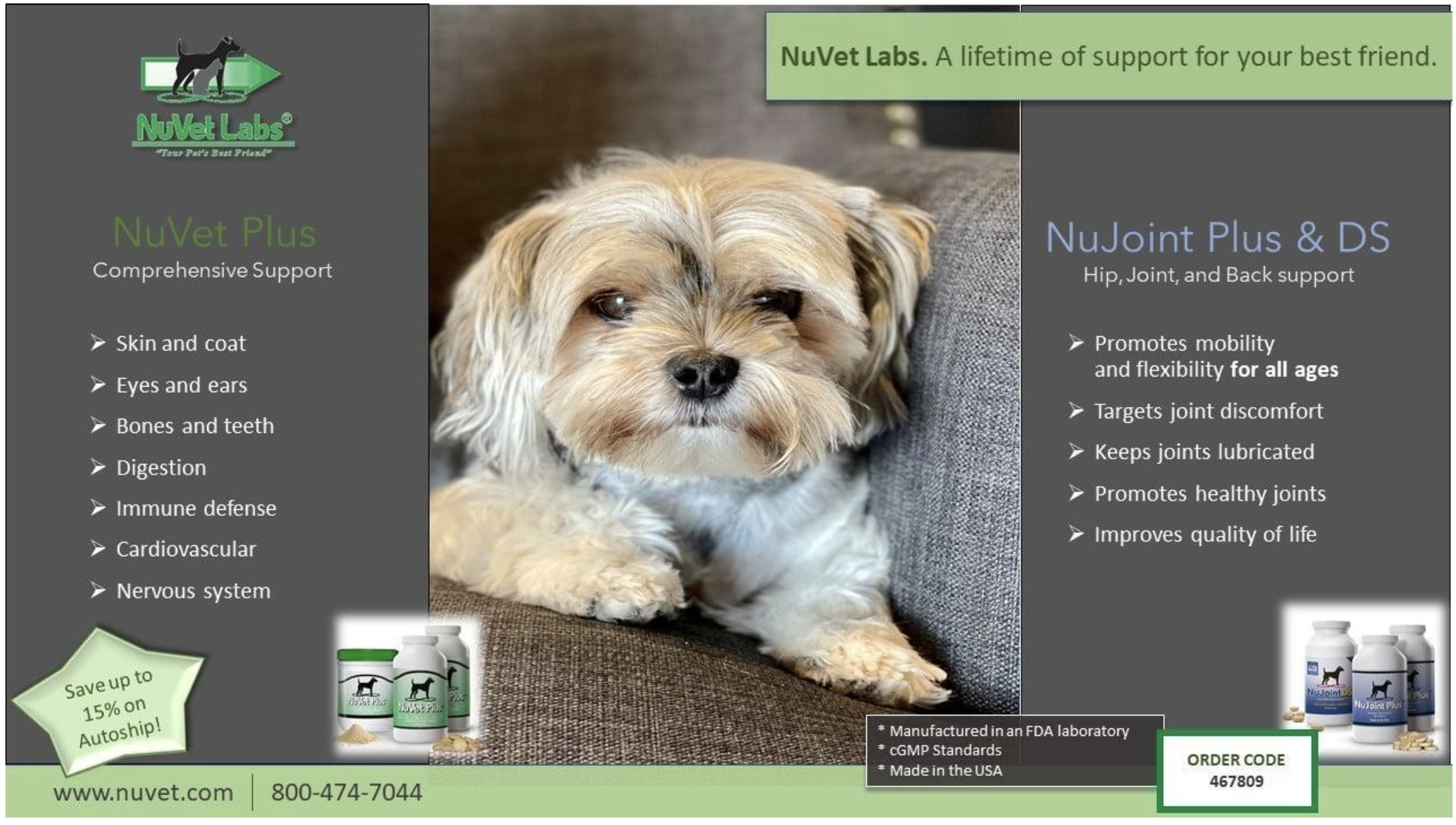
We use nuvet vitamins for our dogs. We also give the Nuvet joint supplement to help support joints, especially hips.
As a breeder, I will also start my new puppies on these vitamins!
● Early immune and Nutrition Support = longer healthier life with their fur-baby!
● Mom and puppies already on it
● Helps pups transition to their new homes easier…. less stress diarrhea, supports appetite, etc.
● Amazing for joints and making sure your dogs are receiving all the nutritional value required (that’s missing from their food)!
Why I love these….
● Human grade, Made in the US
● Cold pressed, no additives = better absorption, no nutrient loss!
● 24 years in business, perfect safety record and never a recall!
Exercise
Puppies under a year old should not participate in prolonged exercise like long walks or running and should not walk/run in dry or deep sand. This can be a leading factor in the development of orthopedic issues. Puppies should be allowed to exercise freely – running, jumping, galloping, and flopping down. Leash training can be worked on for 2 minutes at a time each day. Puppies that are less than 4 months old can go on walks once a day for up to 20 minutes. These should be informal walks around your yard.
From 4-6 months, an hour long walks or jogging a couple times a week with breaks as needed is suggested. From 6-12 months, a full hour-long walk is acceptable and jogging time can be increased gradually. Please be aware of where you are walking your puppy as your puppy may not be fully immune to the diseases out there. Until you have full confidence in taking your puppy out into public places, please be cautious!
At home, always be careful of stairs. Your puppy should only go up or down one or two
stairs at a time. More than that and your puppy should be carried. Also beware of slippery floors and falling hazards. All of these dangers could affect your puppy’s health and joint development for the rest of his life.
 Supplements