Please visit the SHOP for the recommended items listed in this article:
Doodle and Golden Retriever coats require consistent grooming to stay mat-free. You need to use a slicker brush and Steel Comb every day to brush your puppy. Their puppy coats are quite easy to brush, but as the adult coat grows in (around 4 to 6 months) it can become more challenging. It’s important to get your puppy used to having his hair brushed, nails cut, and ears cleaned.
Your puppy will not need any professional grooming for several months. You can bathe your puppy as needed using any dog shampoo you prefer. Some love the bath, some hate it, but all will tolerate it. We bathe them in the sink. You can wet your puppy’s coat fully up to his neck, but only use a damp washcloth to clean the head and face. Dry your puppy with a clean, dry towel or a microfiber towel. A blow dryer is not needed at this young age however on low heat and low speed, it’s fine to use, be careful to not hold it too close to their face and skin.
We groom our dogs every month as adults. We have their DOODLE coats cut short in a “puppy cut”. Their hair is easier to maintain and doesn’t mat when it is short. Most professional groomers offer doodle puppy appointments which include a bath and trimming of the face, feet, and fanny. Please note: some groomers require all vaccinations and Bordetella shots to attend their salon, make sure you understand the consequences involved. Most mobile groomers that come to your home are open to not having been fully vaccinated. Do your research. All that to say, I have been grooming my own dogs for years and it is very simple! I would be more than happy to help you learn!
Trimming Your Puppy’s Nails
Dog Nail Trimmers We can think of our puppy’s experiences with body handling like a bank account. Every happy experience your puppy has with handling is like a ten dollar deposit. We have to work hard to build up the balance in your puppy’s account to ensure that they’ll continue to feel happy about handling. If your puppy has a worrisome experience, think of it like a fifty dollar withdrawal. You’ll have to replenish and repay that withdrawal to get your puppy’s account balance back up to where it was. If your puppy only has $70 in their account, a $50 withdrawal is going to feel huge. But, if your puppy has $1500 in their account, that $50 withdrawal may not be so dire.
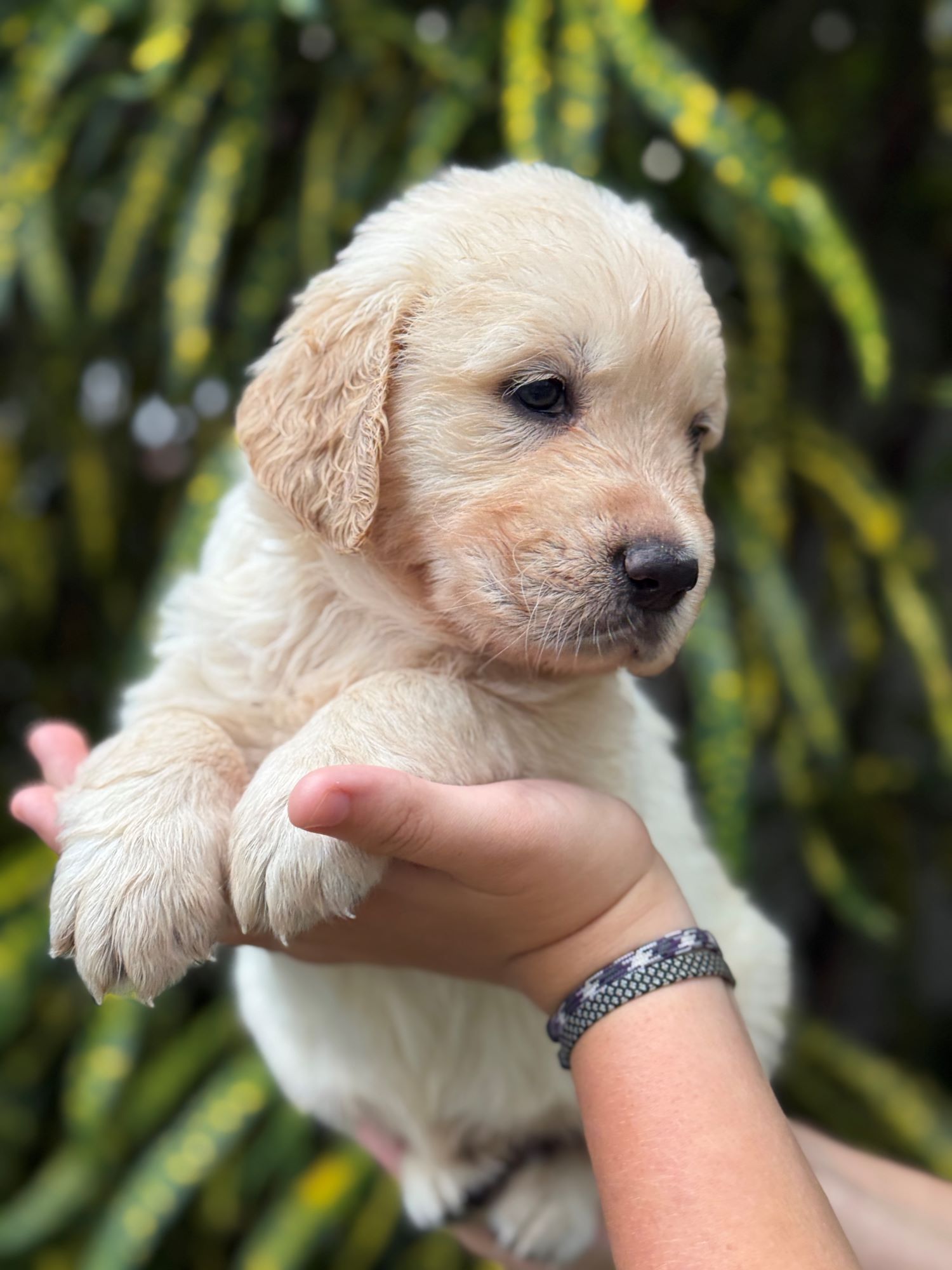
Unfortunately, many puppies’ accounts become overdrawn quickly with scary experiences. We should always aim to avoid withdrawals and keep that balance growing and growing. We can best prevent the development of aversion to handling, and subsequent fear and aggression, by using training to help our dogs be comfortable with body handling. It’s never too early to start on this kind of training! I’ve been desensitizing your puppy since birth, so it’s your job to continue it!
How do I do this kind of training? Here are my five tips for getting started:
1. Break it down into small parts. Start with merely reaching for your puppy’s paw, touching lightly for a second or two, and then feeding them a small treat.
2. Use food. Always follow up any kind of handling with something delicious for your puppy. Yes, *always.* Always introduce new tools, like nail clippers and files, with a generous follow up of delicious food. All your puppy has to do is notice the implement in the first steps to begin to build a positive emotional response. You can also invest in a lick mat. This will allow them to associate your actions with something positive and it will also preoccupy them!
3. Be aware of context. Touching paws during a cuddle session is nice, but it’s very different than trimming nails, just like kissing is not the same as going to the dentist. In addition, your puppy might be perfectly fine with you touching them at home, but they might be worried about strangers touching them or they might be worried about being touched when they’re in a strange environment. Practice in lots of environments.
4. Let your dog say “no.” If your puppy pulls away, runs away, growls, or bites, stop! Your puppy is using the tools they have to express their feelings and preferences about what is happening. They are not being mean, dominant, dramatic, or stubborn. If you force them, you risk the behavior getting worse. It’s okay to take a step back in your training if your puppy is uncomfortable.
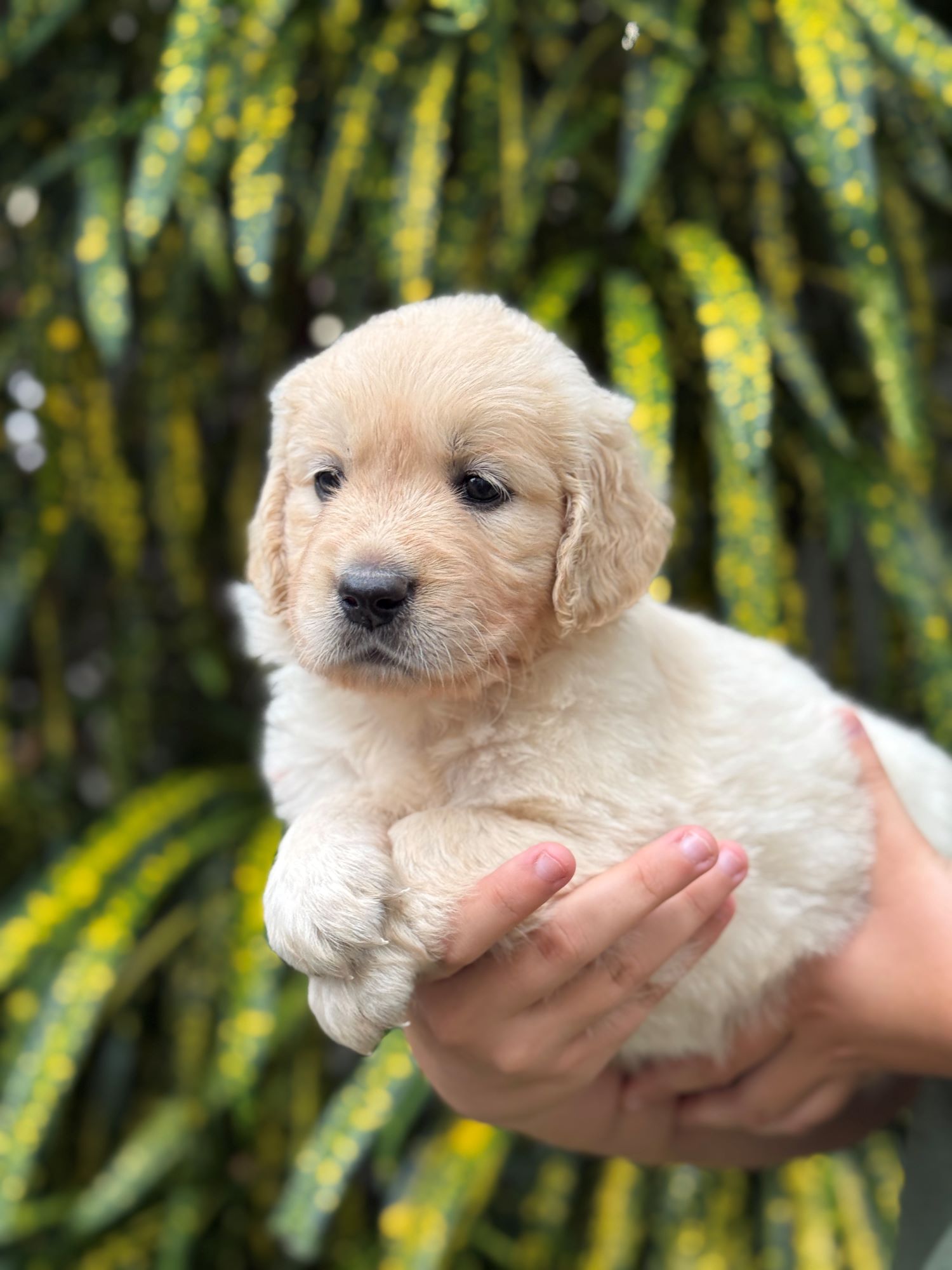
5. Ask for help. If you’re having trouble, reach out to a qualified trainer for help. This is not something your puppy will grow out of, or something that will get better on its own. This is an issue that can compromise your dog’s welfare over the course of their lifespan. Early, careful intervention with an incremental training plan is essential. In addition to guiding your training, your trainer should be able to guide you to the appropriate tools for your puppy. We are so lucky to live in a time where we have lots of creative solutions for managing our dogs’ nail care! Scratchboards, grinders, and files are lovely alternatives to clippers.
Above all, remember that your puppy is your friend! Help your friend feel good about nail trims and body handling so they can enjoy a long, happy life of pedicures and handling.
Puppy “Massage” – The 10 Step Puppy Handling
Exercise
This approach is performed to improve your pup’s ability to handle different types of touch, handling, and sensation. It can be performed in ANY order. Do not put your puppy down if they are agitated or upset. If they are displaying resistance, stop until the puppy calms and then resume! Reward with positive praise and snuggles when done!
1. Rub and gently tug on their ears
2. Cover their eyes for 3-5 seconds
3. Open their mouth, inspect their teeth and place your finger inside of their mouth. You can rub their tongue and gums. I also always watch teeth to ensure they are coming in correctly. Every once in a while, issues with tooth eruption do occur.
4. Rub their belly and chest in a wide circular motion.
5. Run your hand up their back (from tail to head) a few times to ruffle their fur. Also practice “heavy petting” – patting your pup’s back like you are burping a baby
6. Gently tug and twist their tail.
7. Rub your fingers in between all of their pads on their paws
8. Tap on the tip of their nails
9. Put your hands on their collar and apply a slight tug or pressure
10. Touch their nose!
This is an excellent time to check the puppy over from head to foot each day ensuring
everything is forming correctly and the pup’s conformation looks and feels good. I use
my hands and fingers as a way to explore and touch every part of them. You can be
standing (elevation work) or sitting – try both! Don’t always perform the “puppy
massage” in the same room at the same time. As pups age, it helps to do this exercise
when they are sleepy – after a solid play session is a great time. It is also CRUCIAL to
have others do the massage as well. You want your dog to be tolerant of touch by
friends, strangers, kids, the elderly, veterinarians, groomers etc.